Harness the suns power: Transform your home with solar panels today!
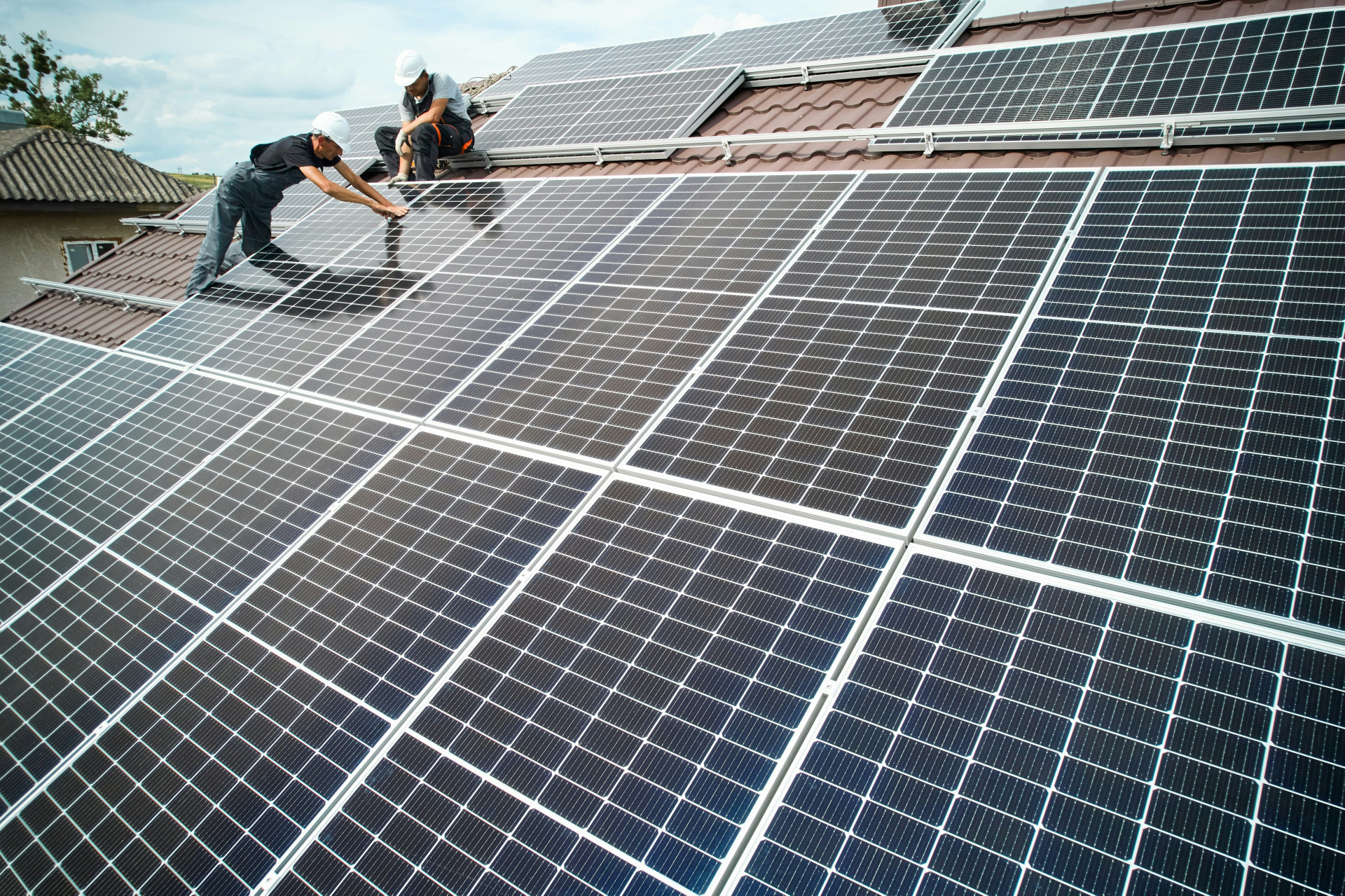
Harness the suns power: Transform your home with solar panels today!
As the world shifts towards sustainable energy solutions, solar panels have emerged as a leading choice for homeowners looking to reduce their carbon footprint and save on energy bills. With advancements in technology and government incentives, now is the best time to consider transforming your home with solar power.
Understanding Solar Energy
Solar energy is harnessed from the suns rays, which are abundant and renewable. By using solar panels, homeowners can convert sunlight into electricity, providing a clean alternative to traditional fossil fuels.
Solar panels operate by using photovoltaic cells that capture sunlight and convert it into direct current (DC) electricity. An inverter then transforms this DC electricity into alternating current (AC), which is what powers most home appliances.
Benefits of Installing Solar Panels
Installing solar panels offers numerous benefits for homeowners. Here are just a few:
- Cost Savings: By generating your own electricity, you can dramatically reduce or even eliminate your monthly utility bills. Over time, this can lead to substantial savings.
- Environmental Impact: Solar energy is a clean, renewable resource. By switching to solar, you can significantly reduce your carbon footprint and contribute to a healthier planet.
- Increased Home Value: Homes equipped with solar panels often see an increase in property value. Many buyers are interested in energy-efficient homes, making solar panels a desirable feature.
- Government Incentives: Many governments offer tax credits, rebates, and other incentives to encourage solar installations. This can help offset the initial investment.
Choosing the Right Solar Panel System
When considering solar panel installation, several factors come into play. It’s essential to choose the right system that suits your home’s energy needs.
Start by assessing your energy consumption. Look at your utility bills to determine how much electricity you use monthly and yearly. This information will guide you in selecting a system that meets your requirements.
Next, consider the available roof space. Solar panels need ample sunlight to operate efficiently, so be mindful of any obstructions like trees, chimneys, or neighboring buildings. A professional installation company can help assess your property and recommend the best layout.
Installation Process: What to Expect
The installation process of solar panels typically involves several steps:
- Consultation: A solar provider will conduct a thorough assessment of your property, discussing your energy needs and preferences.
- Design: Based on the assessment, a custom solar system will be designed specifically for your home.
- Permitting: The installation company will handle all necessary permits and documentation required for local regulations.
- Installation: Professional installers will mount the solar panels on your roof. The process usually takes one to three days, depending on your systems size.
- Inspection and Activation: After installation, a final inspection by local authorities ensures everything is compliant. Once approved, your system can be activated and start generating power.
Maintenance and Lifespan of Solar Panels
One of the attractive features of solar panels is their low maintenance requirements. Regular cleaning and occasional professional inspections will keep your system functioning correctly.
Most solar panels come with a warranty of 20-25 years, and many systems can last even longer. As technology improves, newer panels may offer increased efficiency and durability, making solar energy an evolving investment.
Financing Your Solar Panel Installation
Financing options are essential to consider when investing in solar panels. There are several ways to fund your solar installation:
- Purchasing Outright: If you have the means, buying a solar system outright can be the most cost-effective option in the long run.
- Solar Loans: Many banks and credit unions offer loans specifically for solar installations. This allows homeowners to pay for their systems over time.
- Leasing: Some companies offer solar leases, where you pay a monthly fee to use the solar panels without owning them.
- PPA (Power Purchase Agreement): Under a PPA, you pay for the energy produced by the solar system at a fixed rate, which is often lower than your local utility rate.
The Future of Solar Energy
As the effects of climate change become more pronounced, the importance of renewable energy sources like solar power is growing. Advances in technology are making solar energy more efficient and accessible than ever before.
With more homeowners recognizing the benefits, it is clear that solar energy will continue to play a crucial role in meeting the worlds energy demands sustainably. Whether youre driven by economic savings or environmental responsibility, now is the perfect time to embrace solar energy for your home.